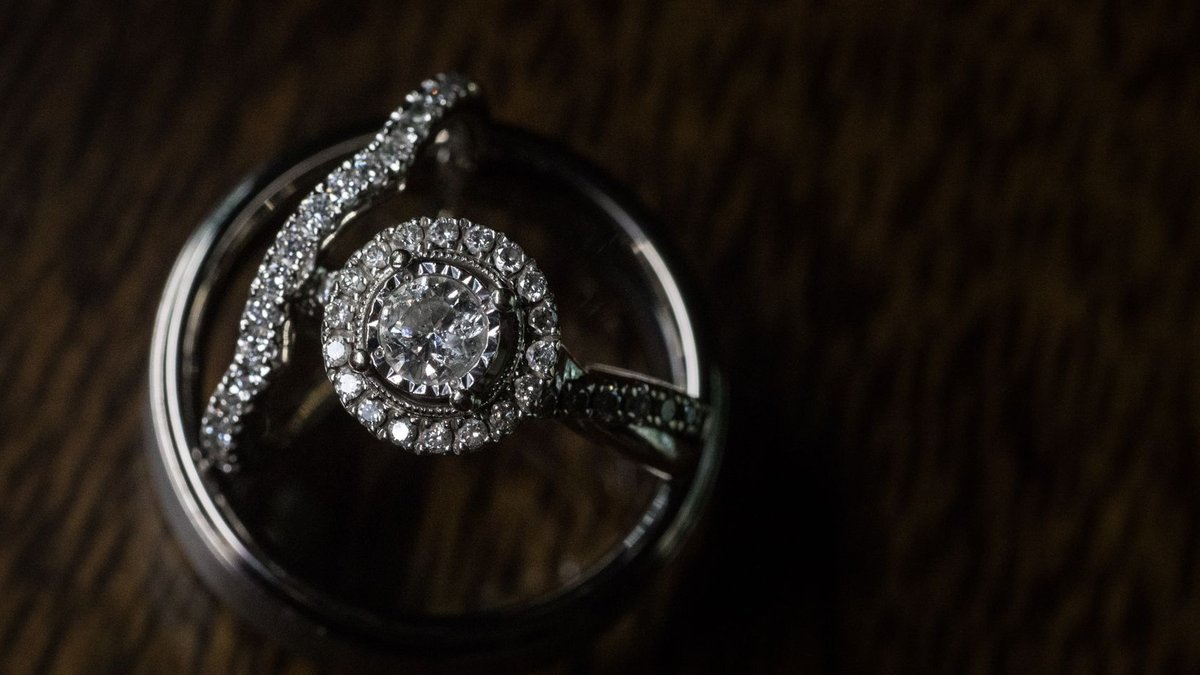
Lab-grown diamond pricing has plummeted, while gold values have climbed sharply. Currently, the gold mounting of a 1-carat lab-grown stud earring exceeds the cost of the diamond itself. A 3-carat tennis bracelet now costs just $30 more to produce than a 2-carat version. The financial logic is straightforward: consumers are now prioritizing gold purchases, with diamonds serving as secondary considerations. Retailers failing to adjust pricing strategies risk losing holiday sales to competitors who adapt.
This market shift is already influencing inventory decisions. Suppliers report jewelers are reducing bulk orders this season, instead favoring custom requests and last-minute production. That caution may prove costly in December, when demand surges for staple items—1- and 2-carat studs, 3- and 5-carat tennis bracelets, 7- and 10-carat tennis necklaces, and $750–$1,200 bridal rings with hidden halo settings. Retailers who did not secure early inventory risk empty shelves during peak shopping periods.
The late 1970s offer a historical parallel: Japanese speculation in the diamond market caused De Beers to repeatedly take massive increases in rough prices, which broke the supply chain. The manufacturing sector responded by disintermediating its wholesaler supply networks and selling directly to jewelers. By the mid-90s, those same manufacturers discovered they could source products overseas so cheaply that many of the largest became wholesalers; today, most of these “manufacturers” don’t actually make anything.
Recognize that typical wholesaler markup is about 50%, meaning that when you buy an item for $1,500, your supplier is buying it for $1,000. Given the recent massive increases in gold combined with tariffs, it seems inevitable that the current supply chain is about to break, so watch for opportunities to source core basics from your supplier’s supplier.
Rising gold prices and additional tariffs are straining the current supply network. Wholesalers typically add a 50% markup, meaning a $1,500 ring costs them $1,000 at wholesale. As gold prices climb further, those profit margins will shrink. Jewelers able to cut out traditional wholesalers, perhaps by negotiating directly with overseas manufacturers, could secure a competitive advantage.
Industry reactions to falling diamond values remain divided. Some operators express concern over declining diamond worth, while others identify new opportunities. With gold now driving the majority of costs, designers are testing lower-cost diamond alternatives, including smaller stones, mixed metals, or alternative settings, to maintain affordability. The objective is to preserve diamond relevance in a market where gold determines pricing.
Beyond cost pressures, the most immediate threat is stock shortages during peak demand. Retailers delaying order placements risk scrambling for inventory in December, while those acting now stand to capture a larger share of holiday sales. The window for securing optimal stock levels is closing.


