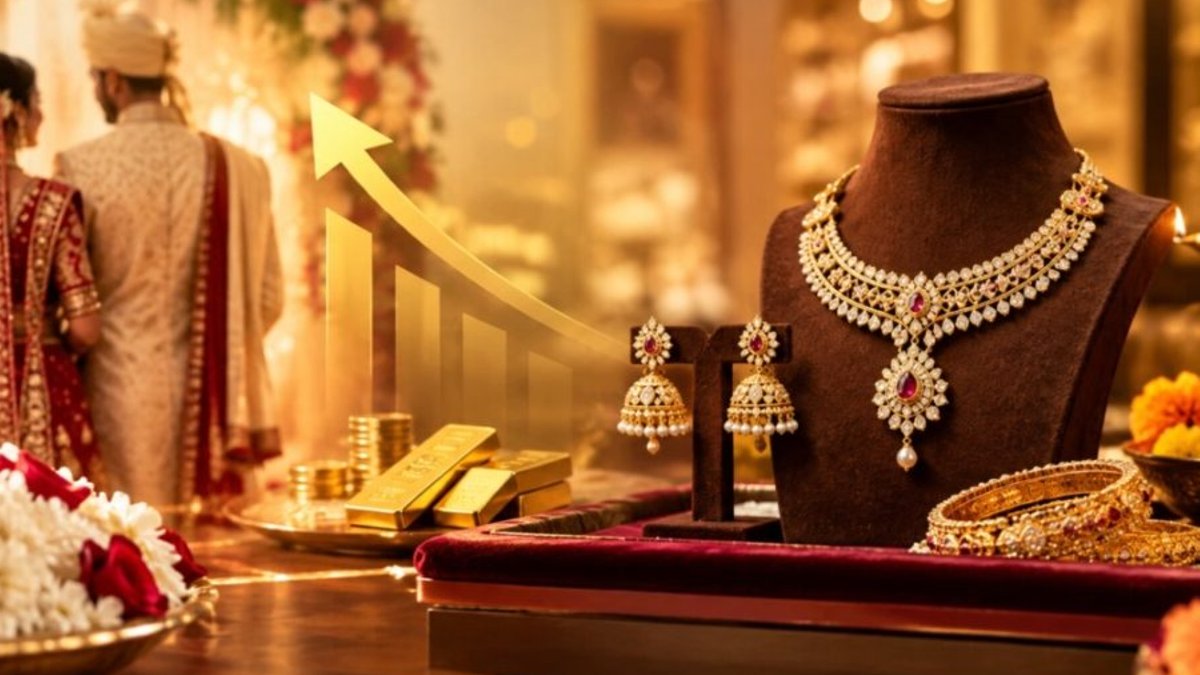
Jewellery retailers across India are preparing for Dhanteras 2026, a key festival that traditionally drives significant sales of gold, silver, and precious items. However, this year’s market presents unique challenges and possibilities as consumers deal with raised precious metal prices and evolving preferences. While festive buying remains a cultural tradition, shoppers are increasingly selective about what and how they purchase, focusing on value and versatility.
Festive Demand Shaped by Value and Selective Buying
India’s jewellery market continues to show resilience despite high gold prices influencing buying behavior. According to the World Gold Council’s October 2026 market update, seasonal demand is gaining momentum due to recent price movements, retailer restocking, and improved store footfall. Yet, raised prices pose a challenge for achieving higher volumes, prompting retailers to adapt their strategies.
Consumers remain committed to the tradition of purchasing jewellery on Dhanteras but are more discerning about weight, design, and overall expenditure. The possibility for retailers lies in offering products that meet various budgets without compromising on trust, quality, or the emotional significance of a festive purchase.
Lightweight Gold Jewellery Emerges as a Key Trend
With gold prices remaining high, lightweight jewellery is becoming an important part of the festive retail conversation. Delicate chains, minimalist necklaces, everyday bangles, stackable rings, and versatile earrings appeal to consumers seeking pieces suitable for year-round wear. This trend opens pathways for manufacturers to innovate with contemporary designs, efficient material use, and collections blending traditional aesthetics with modern functionality.
Retailers can enhance accessibility by presenting jewellery across clearly defined price points, helping customers find items aligned with their budgets. The shift toward lighter pieces reflects a broader move to balance tradition with practicality in a price-sensitive market.
Old-Gold Exchange Programs Gain Traction
Old-gold exchange initiatives are becoming a vital tool for retailers managing high-price environments. Consumers exchanging existing jewellery they no longer wear can apply the value toward new purchases, refreshing their collections while easing additional costs. The World Gold Council reports increased exchange activity in India, with such transactions supporting demand.
For jewellers, a transparent exchange process encourages store visits, builds customer loyalty, and introduces new collections. Clear communication about purity assessment, net gold weight, deductions, and charges is essential to maintain consumer confidence in these programs.
Related Post: Gold Prices Surge as Lab-Grown Diamond Costs Drop
Silver jewellery and artefacts also feature prominently in festive shopping, with consumers purchasing coins, idols, diyas, utensils, and pooja accessories. Contemporary silver pieces, statement earrings, gifting items, and decorative artefacts allow retailers to appeal to shoppers across price categories. However, silver demand and prices require careful monitoring, as higher gold prices do not automatically boost silver sales.
Dhanteras shopping also presents pathways to showcase diamond jewellery and contemporary designs for consumers seeking special festive purchases. Diamond studs, delicate pendants, stackable rings, and understated bracelets offer versatility for buyers wanting elegant options. Diamond-studded gold pieces can appeal to those desiring a combination of precious metal and design elements. Lab-grown diamonds provide another avenue, allowing retailers to explore different price points and styles for varied customer segments.
The Retail Strategy: Experience, Trust and Personalisation
In a price-sensitive market, successful festive retailing depends on more than attractive displays and promotional offers. Jewellers can strengthen their Dhanteras strategy through curated festive collections that include designs for gifting, traditional purchases, and everyday wear. Transparent pricing becomes essential, with clear explanations of metal rates, making charges, stone costs, and applicable taxes to build customer confidence.
Personalised recommendations help customers select jewellery according to their preferences and budgets, while exchange-led initiatives offer clearly explained old-gold exchange programmes. Digital discovery through social media, videos, catalogues, and messaging platforms allows retailers to showcase collections before customers visit stores. Inventory discipline requires prioritising fast-moving designs and managing stock carefully in a volatile price environment.
Implications for Manufacturers and Wholesalers
For manufacturers and wholesalers, changing retail preferences create pathways to align production and distribution with emerging consumer demand. Lightweight designs, adaptable collections, and varied price points become increasingly important as retailers seek products that balance customer appeal with inventory management. Manufacturers can support retail partners with product photography, digital catalogues, collection previews, and marketing material that communicates design features and value propositions clearly.
The broader pathway lies in responding to the market with agility rather than relying exclusively on traditional heavy-weight festive collections. Dhanteras may generate concentrated buying activity, but its impact on the jewellery business extends beyond a single day. The festive season also sets the stage for wedding purchases, gifting, and subsequent retail demand.


