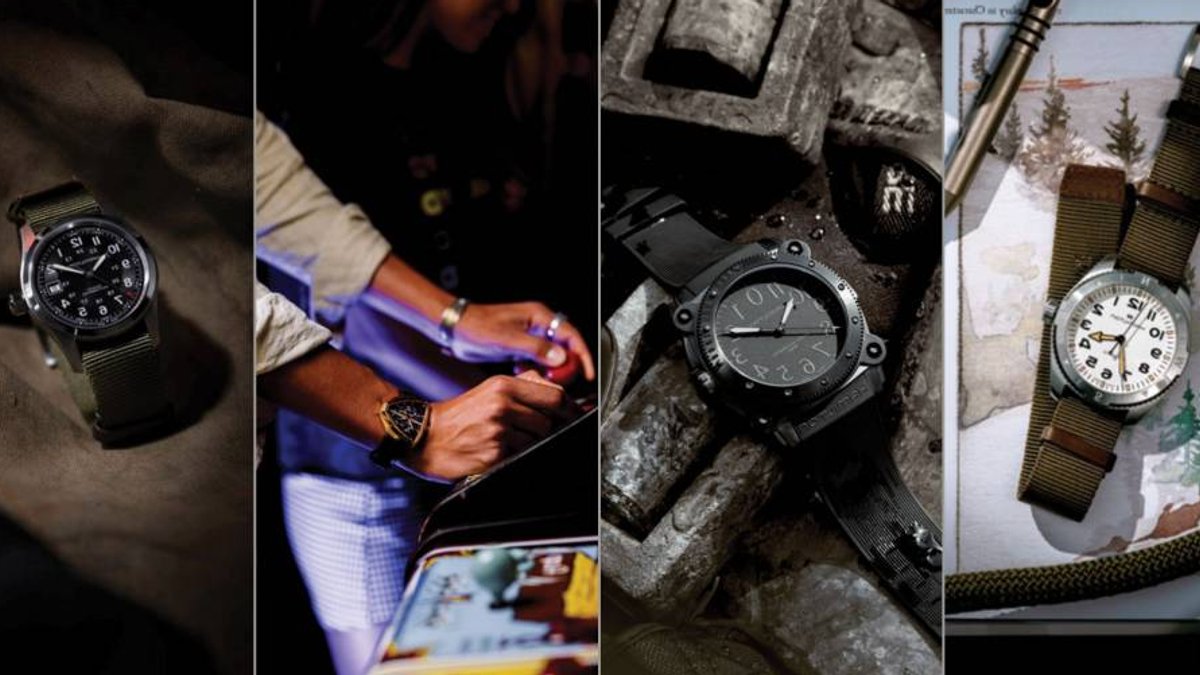
A watch’s steady tick on screen, a character’s fleeting wrist-check, or a stretched-out moment—cinema doesn’t just track time; it bends it into narrative texture. That tension shapes films’ rhythm, silences, and even the props characters hold. Among them, jewelry, especially timepieces, carries weight beyond decoration. Their presence is deliberate, never accidental.
Within visual storytelling, jewelry functions as a symbolic language. A ring might convey themes of continuity or confinement; a necklace could evoke notions of remembrance, heritage, or absence. A wristwatch, by contrast, carries a more exacting significance.
The Role of Watches in Cinema
A timepiece rests near the skin, partially concealed yet persistently meaningful, tracking moments while influencing how a character is perceived. Since the dawn of classical Hollywood, accessories have served as narrative extensions.
As cinema developed, watches transformed into instruments of implication, suggesting emotion without voicing it. In tense films like North by Northwest and Apocalypse Now, time isn’t merely present in the plot; it becomes foundational.
Watches occupy a peculiar spot in film: they’re practical items that double as symbols. They also influence how viewers experience the story. Designers often refer to this as ‘psychology made visible’, conveying a character’s inner world through selected artifacts instead of dialogue.
Read Also: Ashley Graham discusses OMEGA partnership and watch philosophy
Hamilton Watch in Cinema
Timepieces crafted by Hamilton Watch have found their way into some of cinema’s most iconic settings, functioning as storytelling tools. In Interstellar, the Khaki Field Murph links separation, recollection, and emotional duration.
In Tenet, a bespoke Hamilton creation embodies the mechanics of reversed time as a tangible item, rendering an abstract idea graspable. In Men in Black, the Ventura contributes to a defining outfit, its striking form aiding identity within the film’s cosmos.
Across these productions, the watches serve more than adornment; they actively contribute to narrative expression. Lately, video games have borrowed heavily from film techniques, and the role of the watch shifts once more, turning into something experienced inside a game world.
The Convergence of Film and Gaming
Rather than just being viewed, it’s handled, engaged with, and woven into gameplay. This blending of film and gaming has forged a common visual language, one rooted in uniformity, intricacy, and engagement. Hamilton Watch finds itself at the intersection of storytelling traditions where film and gaming evolve together.


