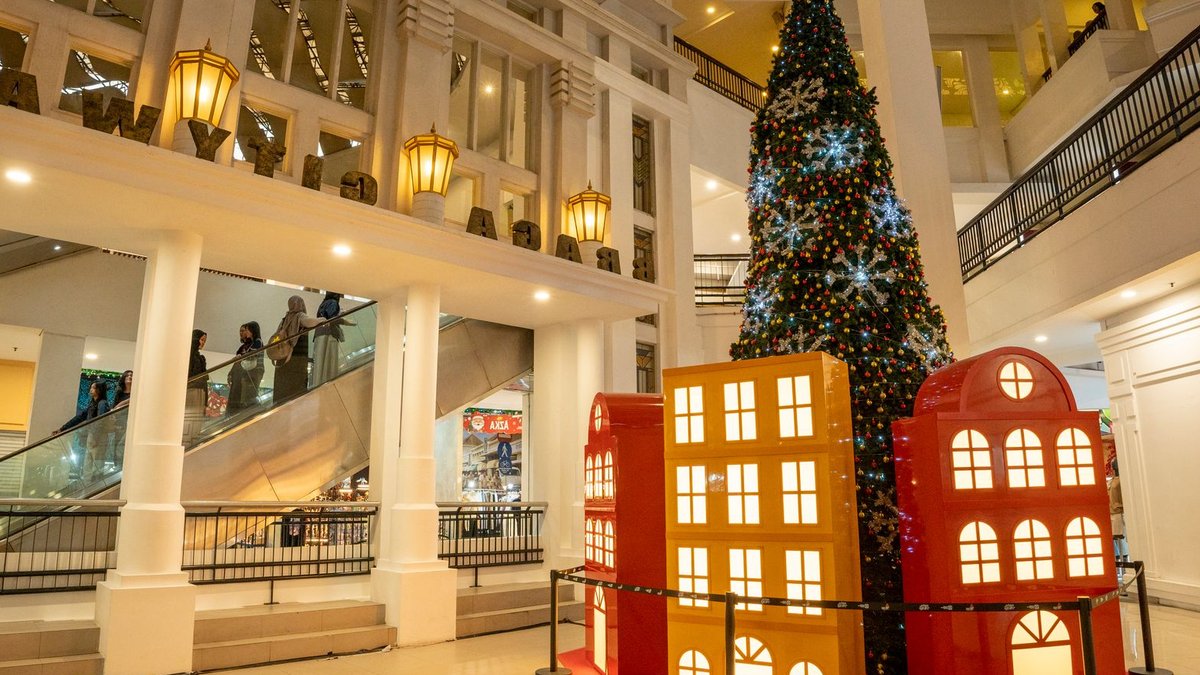
A smash-and-grab robbery at Bloomingdale’s in Hackensack, New Jersey, on Tuesday created confusion after the sound of a shattered jewelry display case led to multiple 911 calls reporting gunfire. Police later confirmed no shots were fired, but the alarm triggered a SWAT team deployment and mall-wide lockdown before officers determined it was not an active-shooter event.
The suspect broke into a display, took several items, and escaped without injuring anyone. Hackensack police did not provide a suspect description or estimate the value of the stolen goods, though News 12 New Jersey reported the theft occurred during normal mall hours. Activity at the mall returned to normal shortly afterward, though the suspect was still at large.
This incident reveals a persistent issue for retailers: glass-break alarms in open mall environments can mimic gunfire, overwhelming emergency services and causing unnecessary lockdowns before security can respond. Jewelry counters, with their large display cases, are particularly prone to this problem, as the sound of a shattered case often triggers panic among shoppers and floods dispatch centers with false reports.
Jewelry stores already contend with rising smash-and-grab risks, but department-store counters, where foot traffic is heavier, worsen the situation. The sound of a broken display can divert staff from securing remaining merchandise while security teams and cameras struggle to assess the threat. Laminated or burglary-resistant glass may help limit grab volume, and distributing high-value items across multiple cases can reduce losses. Training employees to freeze, clear the area, and lock down remaining stock rather than pursue thieves is also critical.
The Hackensack incident acts as a cautionary example for retailers in busy areas, where a single broken case can escalate into a full security emergency.


