Gold’s recent climb past $5,000 an ounce has pushed the metal into everyday conversation, yet many still wonder why platinum remains the benchmark for prestige.
Platinum’s historic price premium
For most of the 20th century, platinum commanded a price at least double that of gold when measured ounce for ounce in pure form. The comparison excludes finished jewellery, which is typically alloyed.
The Royal Canadian Mint can refine gold to 99.99% purity and even produce a 99.999% variant. Platinum is also refined to a high purity and sold as a distinct, highly pure commodity.
In Canadian jewellery, gold is offered in 10-, 14- and 18-karat grades, each indicating the proportion of gold to other metals. Platinum, by contrast, is stamped simply as “Platinum,” “Plat,” or “Platine,” signifying a minimum of 95% purity under the Precious Metals Marking Act.
From molten metal to modern luxury
Platinum group metals share a family with iridium, ruthenium, osmium, palladium and rhodium. Their densities differ sharply: platinum measures 21.45 g/cm³, gold 19.32 g/cm³ and palladium 12.02 g/cm³, making palladium-based pieces noticeably lighter.
Because platinum resists corrosion and retains a bright finish, it has long appealed to artisans seeking durability. The metal’s high melting point, however, kept it out of mainstream production until the early 1900s.
South American miners in the 1700s encountered “platina” (a Spanish term meaning “little silver”), a white speckle in gold that would not melt with the surrounding metal. Spanish conquistadors discarded the particles in the Bogotá and Cauca rivers, unaware that they had stumbled on platinum.
The breakthrough arrived in 1903 when French engineers demonstrated that an oxygen-acetylene torch could reach temperatures high enough to melt platinum reliably. This innovation opened the door to larger-scale jewellery production.
Ancient traces of platinum
Ancient societies encountered the white metal without recognizing it as a separate element. Early South American craftsmen observed that the stubborn particles settled at the bottom of a gold melt and could be removed by hand, allowing them to separate platinum from gold.
Artifacts displayed in a museum in Bogotá demonstrate that pre-colonial artisans incorporated the metal into ornamental objects more than a millennium ago, long before any European melting technology existed.
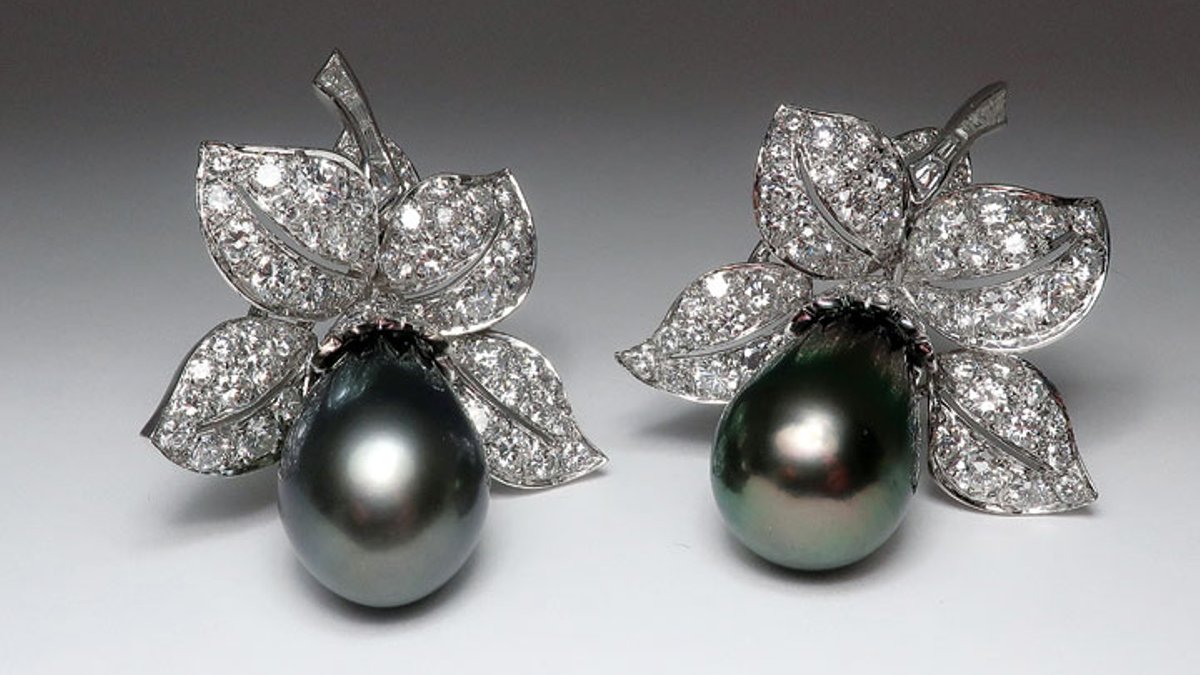
Today, platinum remains prized for its high density (21.45 g/cm³) and resistance to corrosion, making it a popular choice for fine jewellery.


